By itutorvillage.com – Behavior & Motivation
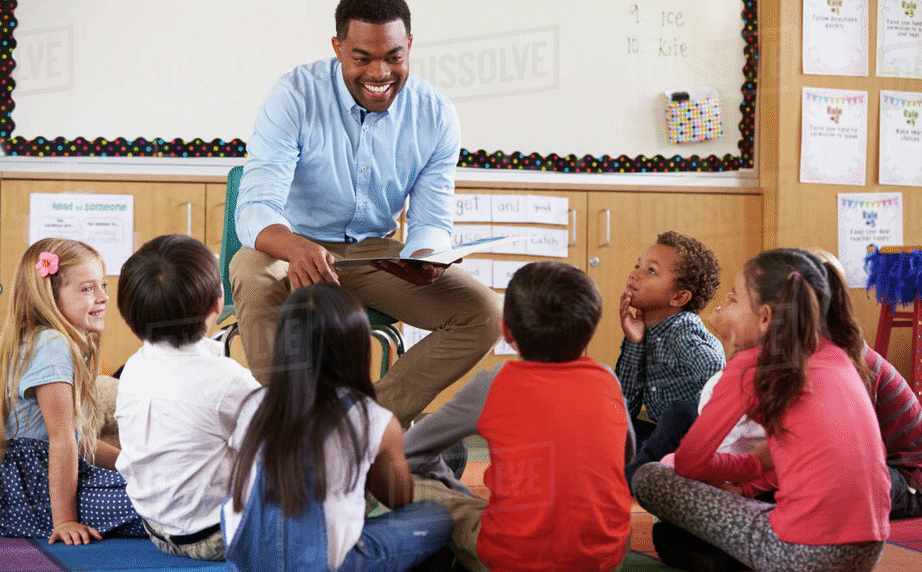
Classroom discipline isn’t just about keeping order, it’s about creating a space where every student feels safe, respected, and ready to learn. When behavior is managed with empathy and consistency, classrooms become communities. And when students understand expectations and feel supported, they thrive.
Let’s explore how educators can build a proactive, inclusive approach to discipline that nurtures both academic focus and emotional growth.
The Philosophy Behind Positive Discipline
At itutorvillage.com, we believe discipline should be:
- Respectful: Upholding dignity for both students and teachers
- Consistent: Clear expectations and predictable consequences
- Supportive: Focused on growth, not punishment
- Inclusive: Sensitive to diverse learning needs and backgrounds
Discipline is not about control, it’s about connection.
Understanding Behavior: The Root, Not Just the Reaction
Children act out for many reasons:
- Unmet emotional needs
- Learning differences or sensory sensitivities
- Lack of structure or unclear expectations
- Stress at home or in peer relationships
Effective discipline begins with curiosity: “What’s behind this behaviour?” When educators respond with empathy, they model emotional intelligence and build trust.
Practical Strategies for Managing Classroom Behaviour
- Set Clear, Positive Expectations
Instead of “Don’t talk,” try:
“Let’s show respect by listening when someone else is speaking.”
Use visual aids, classroom contracts, or role-play to reinforce expectations. Keep language age-appropriate and inclusive.
- Build Relationships First
Students are more likely to cooperate when they feel seen and valued. Greet them by name, ask about their interests, and celebrate small wins.
“I noticed you helped a friend today—that shows great leadership.”
Connection is the foundation of cooperation.
- Use Consistent Routines
Predictability helps students feel secure. Establish routines for:
- Transitions
- Group work
- Conflict resolution
- Rewards and consequences
Consistency reduces anxiety and increases accountability.
- Teach Emotional Regulation
Incorporate emotion coaching and mindfulness into daily practice. Use tools like:
- Calm corners
- Breathing exercises
- Emotion wheels
Help students name their feelings and choose constructive responses.
- Respond, Don’t React
When misbehaviour occurs:
- Stay calm
- Address the behaviour, not the child’s character
- Use restorative questions: “What happened? How can we fix it?”
Avoid public shaming or sarcasm. Discipline should guide, not wound.
- Differentiate Support
Some students need extra scaffolding, especially those with ADHD, autism, or trauma histories. Use flexible seating, visual cues, or sensory breaks to support regulation.
“Let’s take a quiet moment, then we’ll try again together.”
Inclusive discipline respects neurodiversity and individual needs.
Real-Life Scenario: The Disruptive Student
Instead of sending a student out of the room, try:
“I can see you’re having a hard time focusing. Would a movement break help?”
This approach preserves dignity, maintains learning momentum, and teaches self-awareness.
Final Thought
Managing classroom behaviour isn’t about being strict—it’s about being strategic. When educators lead with empathy, clarity, and consistency, discipline becomes a tool for growth, not control.
At itutorvillage.com, we champion student-centered strategies that build emotional intelligence, motivation, and mutual respect. Because every child deserves a classroom where they feel safe to learn—and every teacher deserves the tools to make that possible.


Leave your comment