
What Is Neurodiversity?
Neurodiversity is the concept that neurological differences—such as autism, ADHD, dyslexia, and others—are natural variations of the human brain, not deficits or disorders. Coined by Australian sociologist Judy Singer in the late 1990s, the term challenges the traditional medical model that views these differences as problems to be fixed. Instead, neurodiversity affirms that every brain is unique, and that diversity in cognition, behavior, and learning styles enriches our communities and classrooms.
At its core, neurodiversity promotes inclusion, respect, and empowerment. It encourages educators and society to shift from “fixing” individuals to supporting them in ways that honor their strengths and accommodate their challenges.
Types of Neurodiversity
Neurodiversity encompasses a wide range of neurodevelopmental profiles. Here are some of the most recognized types:
- Autism Spectrum Disorder (ASD)
- Involves differences in social interaction, communication, sensory processing, and behavior.
- Individuals may have heightened focus, strong memory skills, or unique problem-solving abilities.
- Support often includes sensory-friendly environments and communication strategies tailored to individual needs.
- Attention-Deficit/Hyperactivity Disorder (ADHD)
- Characterized by patterns of inattention, impulsivity, and/or hyperactivity.
- Many individuals with ADHD show creativity, spontaneity, and the ability to hyperfocus on tasks of interest.
- A newer perspective, called VAST (Variable Attention Stimulus Trait), reframes ADHD as a difference in attention regulation rather than a deficit.
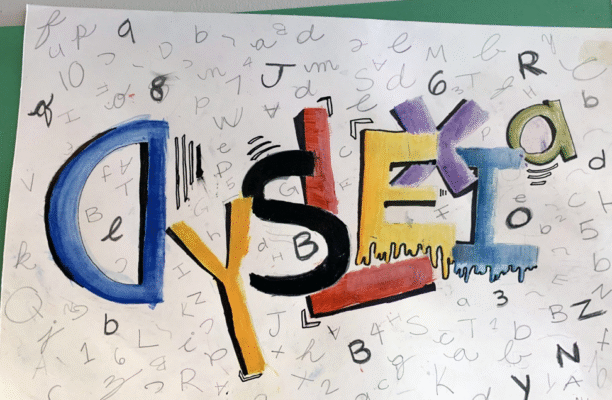
- Dyslexia
- Learning differences affect reading, spelling, and sometimes writing.
- People with dyslexia often excel in visual thinking, storytelling, and spatial reasoning.
- Multisensory teaching methods and assistive technologies can greatly enhance learning outcomes.
- Dyscalculia
- Affects understanding of numbers and mathematical concepts.
- Learners may struggle with arithmetic, time, and spatial reasoning.
- Visual aids, hands-on activities, and personalized pacing can support progress.
- Dysgraphia
- Impacts handwriting, spelling, and written expression.
- May be linked to motor coordination challenges or difficulty organizing thoughts on paper.
- Typing tools, graphic organizers, and oral assessments can help learners thrive.
- Dyspraxia (Developmental Coordination Disorder)
- Involves difficulties with motor coordination, planning, and sometimes speech.
- Individuals may need support with physical tasks, organization, and social interaction.
- Occupational therapy and structured routines can be highly beneficial.
Why Neurodiversity Matters in Education
Recognizing neurodiversity transforms how we teach, assess, and support students. It invites educators to:
- Design inclusive classrooms that accommodate diverse learning styles.
- Focus on strengths rather than deficits.
- Foster environments where all students feel valued and understood.
By embracing neurodiversity, we move closer to a world where every learner—regardless of how their brain works—can succeed, contribute, and shine.
https://www.britannica.com/topic/cognition-thought-process


Leave your comment