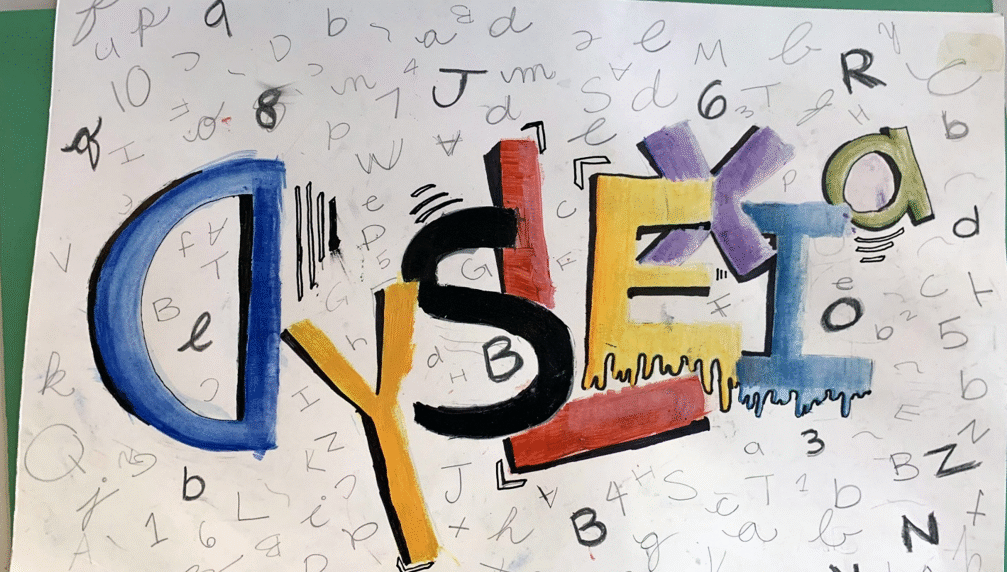
Part 1
We hear the word dyslexia more often these days, yet many of us still don’t fully understand what it means—or what it might mean for us or our children. According to various studies, around 5% of the global population lives with dyslexia. That’s no small number. It reminds us of the old medical joke: “There are no perfectly healthy people—only those who haven’t been fully examined.”
Humor aside, dyslexia exists on a spectrum—from mild to severe. And sadly, many individuals with dyslexia grow up believing they’re simply “not smart enough”. They internalize this false narrative, often giving up on themselves before anyone else does. But dyslexia is not a reflection of intelligence. It can shape a child’s future, lead to behavioral challenges, and even push them out of school prematurely. It can make social integration difficult and painful. So, let’s take a moment to unpack the essentials of this complex topic.
What Is Dyslexia?
Dyslexia is a specific learning difference that affects the ability to read and write, despite otherwise normal intellectual development. It stems from challenges in certain mental processes that are crucial for decoding written language. Children with dyslexia may struggle to recognize letters, symbols, or sounds, which can distort the meaning of words, phrases, or entire sentences.
But here’s the key: dyslexia is not a verdict—it’s a challenge that requires understanding and support. With the right guidance and time, children with dyslexia can thrive academically and socially. They just need adults who believe in them.
A Different Way of Seeing the World
Dyslexia isn’t a disease—it’s a unique way of perceiving and processing information. It often enables creative, unconventional thinking. In fact, many dyslexics are known for their brilliance and originality. Consider this list of remarkable individuals:
- Walt Disney, who found signing autographs incredibly difficult
- Jamie Oliver, once a struggling student, now a world-renowned chef
- Richard Branson, expelled from school at 16, later author of nine motivational books
- Tom Cruise, who still reads contracts syllable by syllable
- Leonardo da Vinci, Hans Christian Andersen, Thomas Edison, and Albert Einstein—all dyslexic, all revolutionary thinkers
If we were to compile statistics, this list would grow to include countless others who’ve left an indelible mark on history and human progress.
What Signs Should I Look For?
We’ll explore that in Part 2, where we’ll dive into the early indicators and how to support children effectively.



Leave your comment