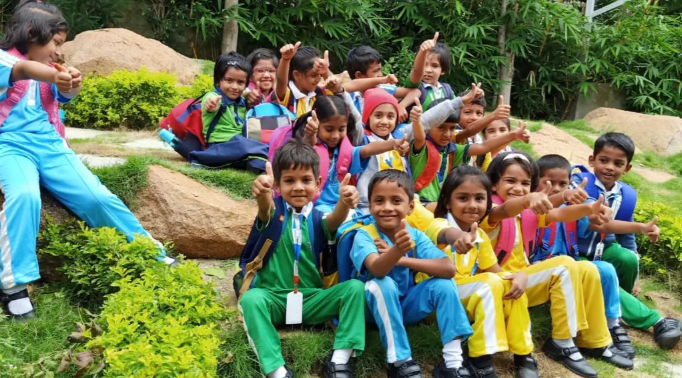
The International Baccalaureate (IB) Primary Years Programme (PYP) is a dynamic, inquiry-driven curriculum designed for children aged 3 to 11. Rooted in international best practices, the PYP nurtures young learners into curious, compassionate, and confident individuals—ready to engage with the world around them.
Primary Years Programme (PYP) – International Baccalaureate®
What Makes PYP Unique?
At its heart, the PYP is transdisciplinary. Rather than teaching subjects in isolation, it weaves together Language, Mathematics, Science, Social Studies, the Arts, and Personal, Social and Physical Education (PSPE) through six powerful themes:
- Who are we
- Where we are in place and time
- How we express ourselves
- How the world works
- How we organize ourselves
- Sharing the planet
These themes form the Programme of Inquiry, encouraging students to explore real-world issues across disciplines and make meaningful connections.
Learning Through Inquiry
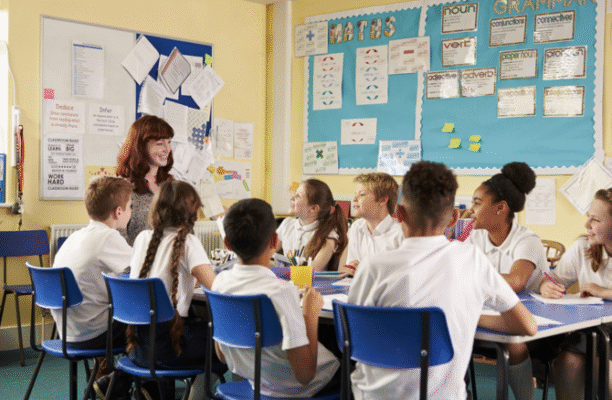
The PYP is built on the principles of constructivism—students actively construct their own understanding through exploration, questioning, and reflection. Teachers act as facilitators, guiding learners to take ownership of their learning journey. Assessment is ongoing and varied, focusing on growth, understanding, and the application of knowledge in authentic contexts.
Why Schools Choose the PYP
Schools that adopt the PYP often do so because it aligns with a vision of holistic, globally minded education. It fosters academic excellence while also cultivating values such as empathy, integrity, and open-mindedness. Many institutions blend the PYP with other strong curricula (like Singapore’s) to enrich academic rigor while preserving the IB’s emphasis on inquiry and international mindedness.
Character at the Core
Beyond academics, PYP is deeply values driven. It helps students develop:
- Wisdom: by connecting learning to real-life experiences and diverse perspectives
- Courage: by encouraging principled action and constructive risk-taking
- Compassion: by fostering care for self, others, and the environment
These attributes are not just taught—they’re lived daily, shaping students into thoughtful, responsible global citizens.


Leave your comment