
Primary education is the first stage of formal education, coming after preschool/kindergarten and before secondary school. The International Standard Classification of Education considers primary education as a single-phase where programmes are typically designed to provide fundamental reading, writing, and mathematics skills and establish a solid foundation for learning. What is the new curriculum in Kenya? CBC Education

The IB (PYP): Nurturing Global Learners from the Start
The International Baccalaureate (IB) Primary Years Programme (PYP) is a dynamic, inquiry-driven curriculum designed for children aged 3 to 11. Rooted in international best practices, the PYP nurtures young learners into curious, compassionate, and confident individuals—ready to engage with the world around them. Primary Years Programme (PYP) – International Baccalaureate® What

Emotional Intelligence in Action: Building Confidence in School Children
Confidence isn’t just a personality trait—it’s a skill that can be nurtured, shaped, and strengthened over time. For school-aged children, confidence plays a pivotal role in academic success, social development, and emotional resilience. When children believe in their ability to learn, solve problems, and express themselves, they’re more likely to thrive
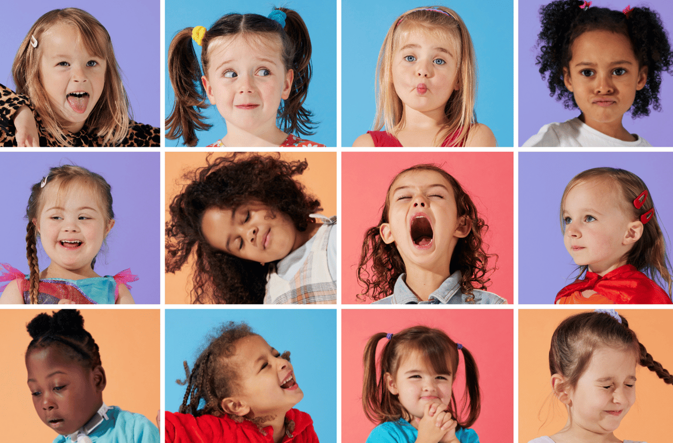
Emotion Coaching: Helping Children Navigate Big Feelings
When a child loses a beloved toy, the emotional fallout can feel enormous. Tears, frustration, even anger, these reactions are not just about the object itself, but about what it represents: comfort, control, and connection. In these moments, parents have a powerful opportunity not just to soothe, but to teach. That’s
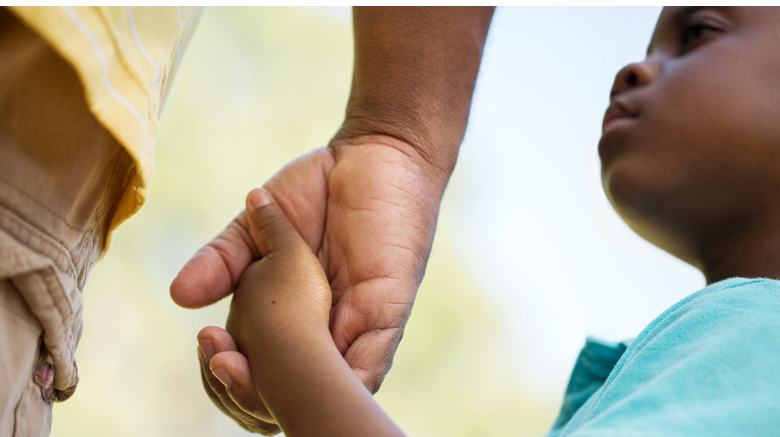
A Parent’s Guide to Supporting Children Through Challenges
Turning Setbacks into Strength Setbacks are part of every child’s journey—missed goals, failed tests, friendship troubles, or simply feeling left out. While we wish we could shield them from disappointment, the truth is: learning to handle setbacks is one of the most powerful emotional skills a child can develop. As parents,
Tutor Companion Guide: Helping Students Handle Setbacks with Confidence
Tutors play a unique role in a child’s emotional and academic development. Beyond teaching content, they help shape how students respond to challenges, setbacks, and self-doubt. This guide offers actionable strategies tutors can use during sessions to reinforce resilience and emotional growth. Creating a Safe Space for Mistakes Begin sessions
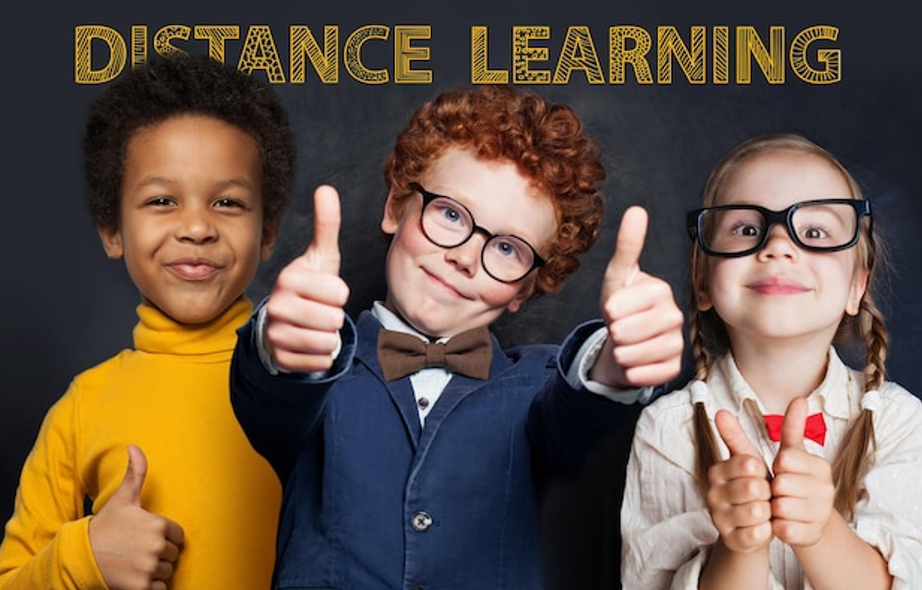
Beyond the Screen: Navigating Distance Learning for Young Learners
What Is Distance Learning? Distance learning is an educational format that uses digital technologies to deliver instruction remotely—without direct, in-person contact between teacher and student. With the rise of virtual classrooms, video conferencing, online journals, and messaging platforms, schools now have access to a wide array of tools to support
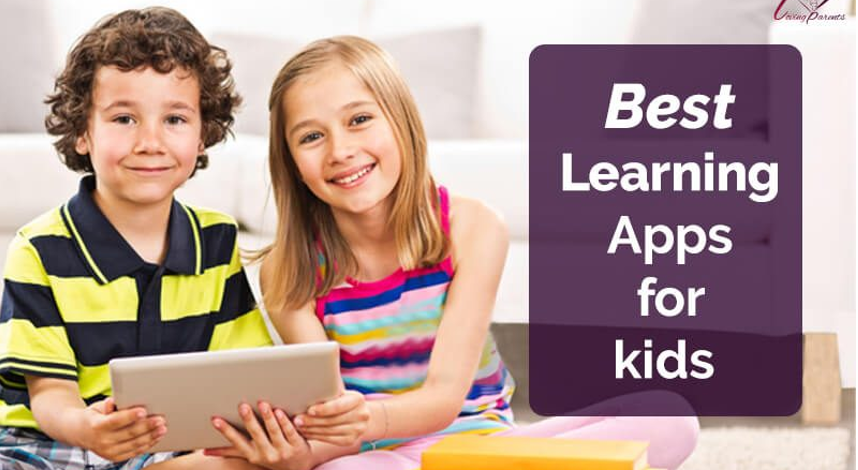
Learning in Your Pocket: The Rise of Educational Apps
What Are Educational Apps? Educational apps are software applications designed to support learning and teaching through digital devices like smartphones, tablets, and computers. These apps offer interactive lessons, quizzes, games, videos, and personalized feedback—making learning more engaging, accessible, and flexible. They cater to a wide range of learners, from preschoolers mastering
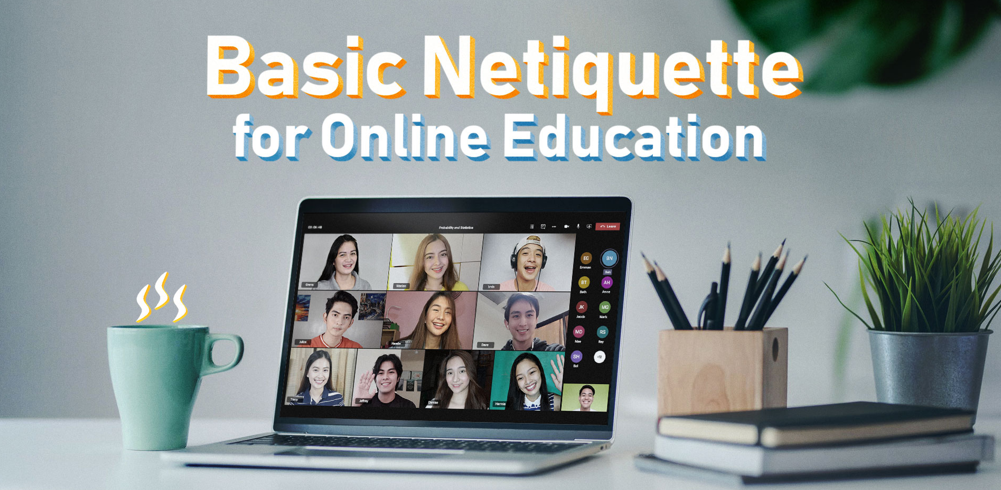
Tech Etiquette for School Kids: How to Be Kind, Smart, and Safe Online
In today’s classrooms, technology is everywhere—from tablets and smartboards to online homework and group chats. But just like we learn to say “please” and “thank you” in person, we also need to learn good manners in the digital world. That’s where tech etiquette (or “netiquette”) comes in! Here are some friendly
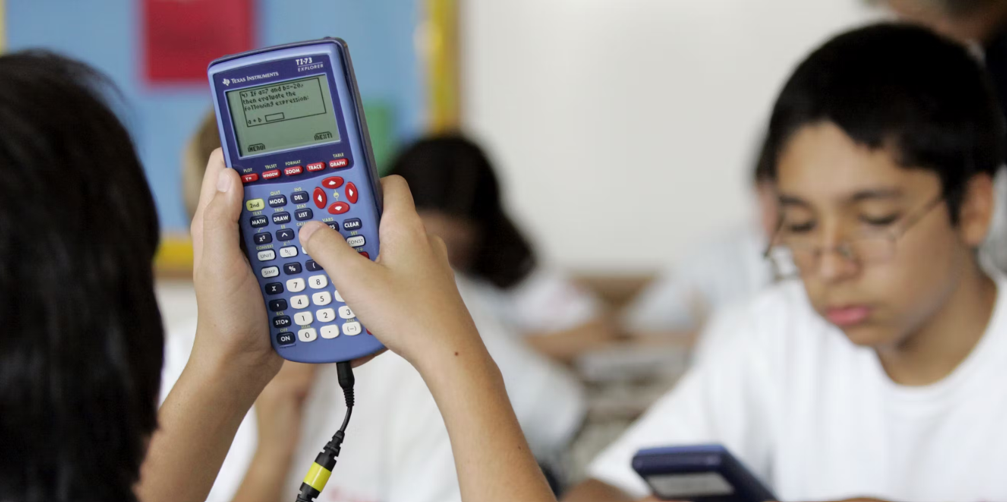
From Graphs to Insight: The Case for Calculators in Class
Graphing Calculators: A Timeless Tool for Mathematical Exploration Since their debut in the 1980s, graphing calculators have revolutionized math education. Far more than number crunchers, these devices empower students to visualize functions, test hypotheses, and explore mathematical relationships in ways that deepen understanding. While some educators have shifted toward free apps
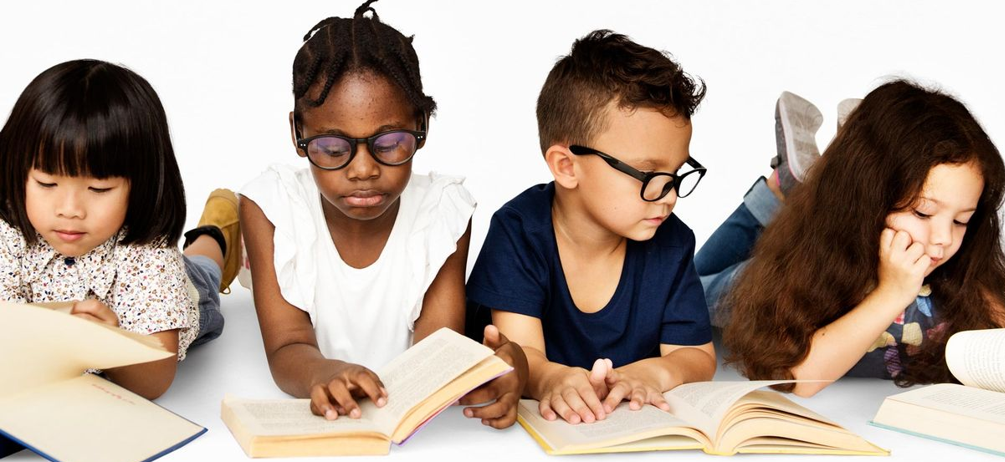
Every Mind Matters: Supporting Students with Learning Differences
Understanding Learning Differences Learning differences refer to the diverse ways students process information, communicate, and engage with academic tasks. These differences may include conditions such as dyslexia, ADHD, autism spectrum disorder, dyscalculia, and more. They are not indicators of intelligence or potential—but rather reflections of how uniquely each brain works. Supporting
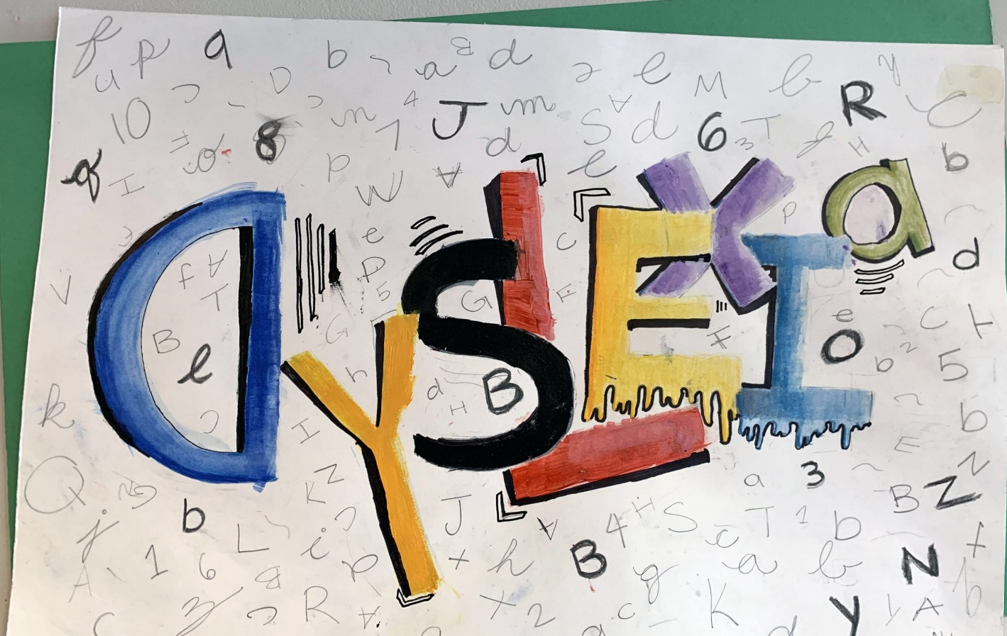
Helping Learners with Dyslexia
Part 1 We hear the word dyslexia more often these days, yet many of us still don’t fully understand what it means—or what it might mean for us or our children. According to various studies, around 5% of the global population lives with dyslexia. That’s no small number. It reminds us