
Understanding Learning Differences Learning differences refer to the diverse ways students process information, communicate, and engage with academic tasks. These differences may include conditions such as dyslexia, ADHD, autism spectrum disorder, dyscalculia, and more. They are not indicators of intelligence or potential—but rather reflections of how uniquely each brain works. Supporting
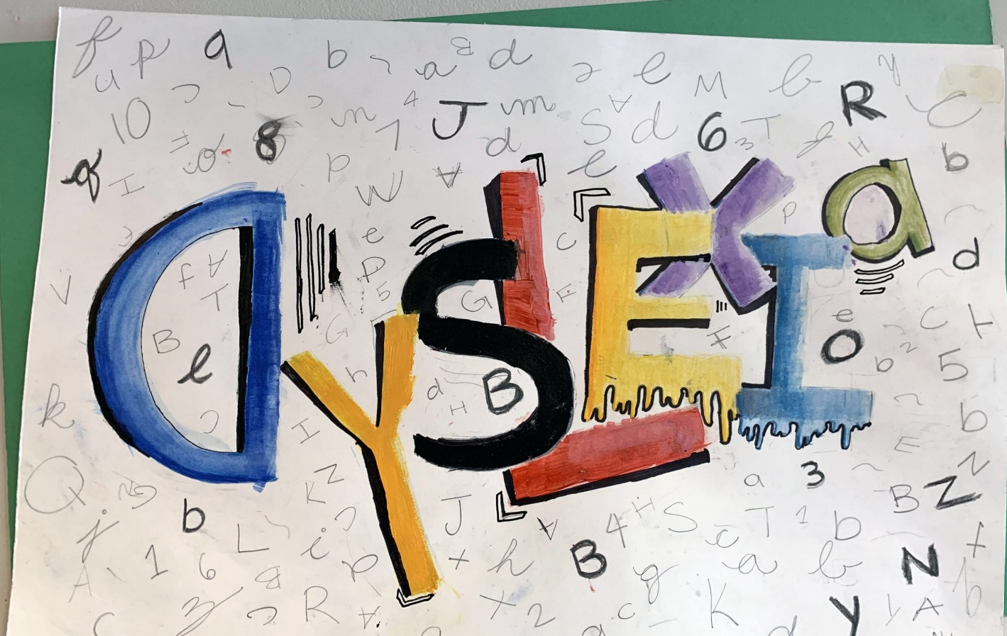
Helping Learners with Dyslexia
Part 1 We hear the word dyslexia more often these days, yet many of us still don’t fully understand what it means—or what it might mean for us or our children. According to various studies, around 5% of the global population lives with dyslexia. That’s no small number. It reminds us
Helping Learners with Dyslexia
Part 2: Recognizing the Signs and Supporting the Journey Early Signs to Watch For If you suspect your child may be struggling with dyslexia, pay close attention to these common indicators: Fatigue sets in quickly during reading or writing tasks Leans very close to the book while reading Frequently rubs their

Embracing Every Learner: Inclusive Education in Action
What Is Inclusive Education? Inclusive education is the practice of ensuring that all students—regardless of ability, background, or learning style—have equal access to meaningful learning experiences in a shared classroom environment. It’s not just about placing students with disabilities in mainstream classrooms; it’s about transforming teaching methods, classroom culture, and school

Nurturing Brilliance: Supporting Gifted Learners
Recognizing Giftedness Working with gifted children begins with one essential step: identification. Giftedness isn’t always obvious, it may show up in academic excellence, creative thinking, emotional depth, or intense curiosity. Teachers and tutors can spot these traits by observing students during lessons, group work, and extracurricular activities. Early recognition allows educators

About Neurodiversity
What Is Neurodiversity? Neurodiversity is the concept that neurological differences—such as autism, ADHD, dyslexia, and others—are natural variations of the human brain, not deficits or disorders. Coined by Australian sociologist Judy Singer in the late 1990s, the term challenges the traditional medical model that views these differences as problems to be