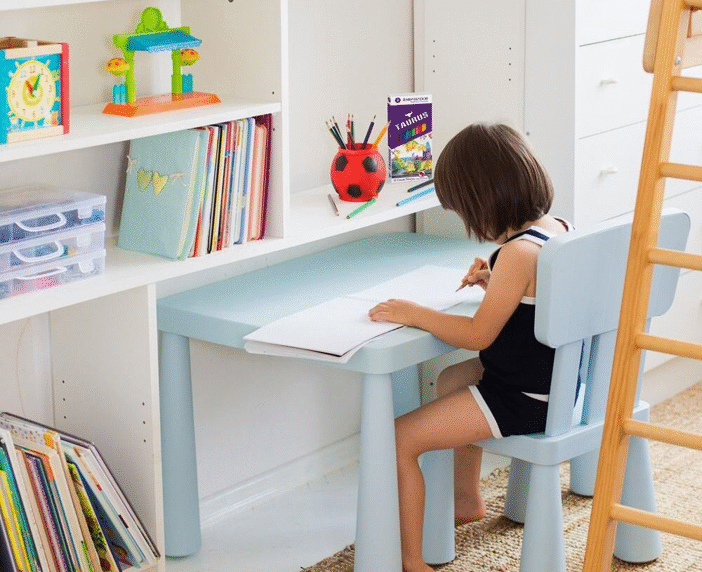
- Establish a Dedicated Learning Space
- Create a quiet, organized, and comfortable area specifically for learning. Ensure it is free from distractions like TV or loud noises.
- Equip the space with necessary supplies such as books, stationery, and a computer if needed.
- Set a Routine
- Develop a consistent schedule for study time, breaks, and other activities. A structured routine helps children stay focused and disciplined.
- Incorporate flexibility to accommodate their energy levels and interests.
- Encourage Curiosity and Exploration
- Foster a love for learning by encouraging questions and discussions. Provide access to educational resources like books, documentaries, and online tools.
- Engage in activities like science experiments, art projects, or storytelling to make learning enjoyable.
- Promoting a Positive Atmosphere
- Celebrate achievements, no matter how small, build confidence and motivation.
- Avoid criticism and instead provide constructive feedback to help them improve.
- Limit Distractions
- Minimize interruptions from gadgets or social media during study time.
- Set boundaries for screen time and encourage offline activities like reading or puzzles.
- Be Involved and Supportive
- Show interest in their learning by asking about their progress and helping with challenging tasks.
- Be patient and empathetic, offering encouragement when they face difficulties.
These strategies can transform your home into a nurturing environment that supports growth, curiosity, and academic success.





Leave your comment