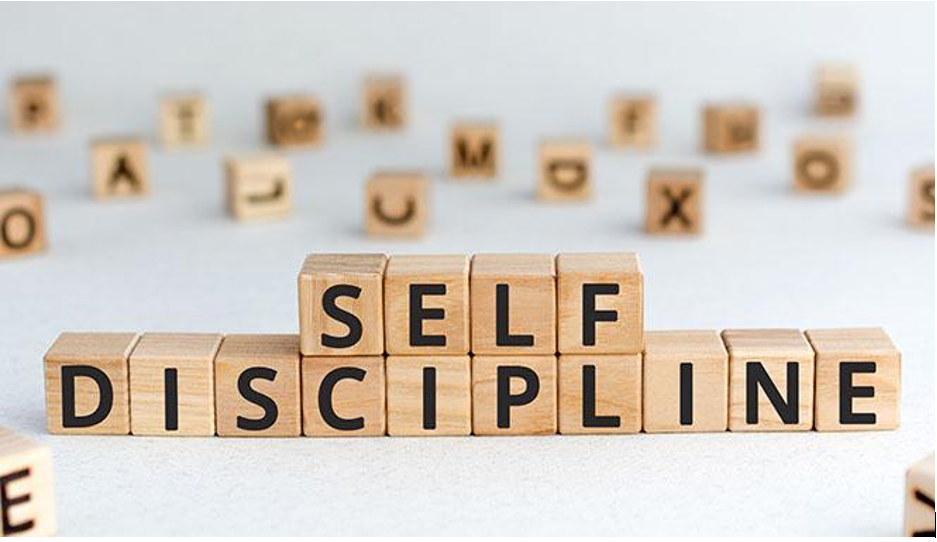
By itutorvillage.com – Behavior & Motivation
Self-discipline isn’t about rigid rules or punishment, it’s about helping children build the inner strength to make thoughtful choices, manage impulses, and stay focused on goals. For young learners, this skill is foundational to academic success, emotional regulation, and lifelong resilience.
But how do we teach it? Especially when little ones are still learning to tie their shoes, share toys, or wait their turn?
Let’s explore how parents and educators can nurture self-discipline in ways that are kind, consistent, and developmentally appropriate.
What Is Self-Discipline?
Self-discipline is the ability to:
- Delay gratification
- Follow through tasks
- Manage emotions and behavior
- Make choices aligned with values and goals
For children, it starts with small steps—like cleaning up after playtime or waiting patiently for a turn—and grows into habits that support independence and empathy.
Why It Matters in Early Childhood
Children with strong self-discipline:
- Are more confident and cooperative
- Handle frustration and disappointment better
- Build stronger relationships with peers and adults
- Thrive in structured learning environments
And most importantly, they feel empowered—not controlled.
Practical Strategies to Build Self-Discipline
- Model It Daily
Children learn by watching. When adults show patience, follow routines, and manage emotions calmly, kids absorb those behaviors.
“I’m feeling frustrated, so I’m going to take a deep breath before I respond.”
This kind of modeling teaches emotional regulation and thoughtful decision-making.
- Create Predictable Routines
Routines give children a sense of safety and structure. When they know what to expect, they’re more likely to cooperate and take responsibility.
- Morning checklists
- Visual schedules
- “Clean-up songs” after play
Consistency builds confidence—and confidence fuels discipline.
- Use Gentle Limits and Clear Expectations
Instead of saying “Don’t do that,” try:
“We use gentle hands when we play.”
Frame rules positively and explain the why. Children are more likely to follow rules they understand and feel respected by.
- Encourage Problem-Solving
When a child struggles—say, with sharing or finishing homework—guide them through the challenge rather than solving it for them.
Ask:
- “What could you do next?”
- “How do you think your friend feels?”
- “What might help you stay focused?”
This builds metacognition and empathy—key ingredients in self-discipline.
- Celebrate Effort, Not Just Outcomes
Praise persistence, not perfection.
“You kept trying even when it was hard—that’s real strength.”
This reinforces the value of effort and helps children internalize motivation.
- Teach Emotional Literacy
Self-discipline is easier when children can name and manage their feelings. Use emotion charts, books, or role-play to help them recognize:
- Anger
- Sadness
- Excitement
- Frustration
Once they can name it, they can tame it.
Real-Life Example: The Forgotten Homework
Instead of scolding, try:
“I see you’re upset you forgot your homework. What can we do differently next time?”
This approach validates feelings, encourages reflection, and builds accountability—without shame.
Final Thought
Self-discipline isn’t about control—it’s about connection. When children feel safe, seen, and supported, they’re more likely to develop the internal compass that guides them through life’s challenges.
At itutorvillage.com, we believe in nurturing the whole child. Through empathy, structure, and encouragement, we help young learners grow not just academically—but emotionally and socially, too.


Leave your comment