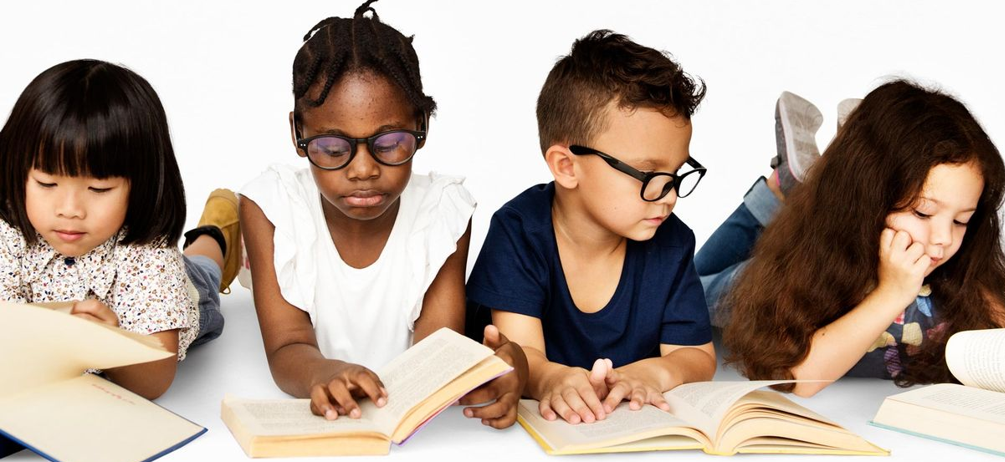
Understanding Learning Differences
Learning differences refer to the diverse ways students process information, communicate, and engage with academic tasks. These differences may include conditions such as dyslexia, ADHD, autism spectrum disorder, dyscalculia, and more. They are not indicators of intelligence or potential—but rather reflections of how uniquely each brain works.
Supporting students with learning differences means recognizing their strengths, accommodating their challenges, and creating environments where they can thrive academically, socially, and emotionally.
Practical Ways to Support Students with Learning Differences
Here are some proven strategies and inclusive practices that educators and tutors can use to support diverse learners:
- Individualized Instruction
- Use differentiated teaching methods tailored to each student’s strengths and needs.
- Break tasks into manageable steps and offer multiple ways to access content (visual, auditory, kinesthetic).
- Build Executive Function Skills
- Help students set goals, plan tasks, and manage time.
- Use visual schedules, checklists, and timers to support organization and focus.
- Foster Emotional Safety
- Create a classroom culture of respect, patience, and encouragement.
- Embed emotional regulation strategies into daily routines—like mindfulness breaks or emotion check-ins.
- Use Games and Play-Based Learning
- Games engage students emotionally and cognitively, promoting motivation and collaboration.
- Incorporate educational games that reinforce academic skills while building confidence.
- Incorporate Assistive Technology
- Tools like speech-to-text software, audiobooks, and screen readers can help students access content and express ideas.
- Explore apps that support reading fluency, math practice, or focus enhancement.
- Encourage Peer Support
- Use peer mentoring or buddy systems to foster collaboration and empathy.
- Group activities can help students build social skills and feel included.
- Celebrate Small Wins
- Recognize effort, progress, and personal growth—not just grades.
- Use positive reinforcement to build self-esteem and motivation.
- Partner with Families
- Maintain open communication with parents or guardians.
- Share strategies, progress updates, and invite input to create a unified support system.
Final Thoughts
Supporting students with learning differences isn’t about fixing them, it’s about unlocking their potential. When educators, tutors, and families work together to create inclusive, responsive learning environments, every student has the chance to shine.
At itutorvillage.com, we believe that every mind matters. Let’s keep building a world where learning is not one-size-fits-but a journey shaped by understanding, creativity, and compassion.

Leave your comment