Part 2: Recognizing the Signs and Supporting the Journey
Early Signs to Watch For
If you suspect your child may be struggling with dyslexia, pay close attention to these common indicators:
- Fatigue sets in quickly during reading or writing tasks
- Leans very close to the book while reading
- Frequently rubs their eyes
- Complaints about headaches after reading
- Skipping words or fragments of text while reading aloud
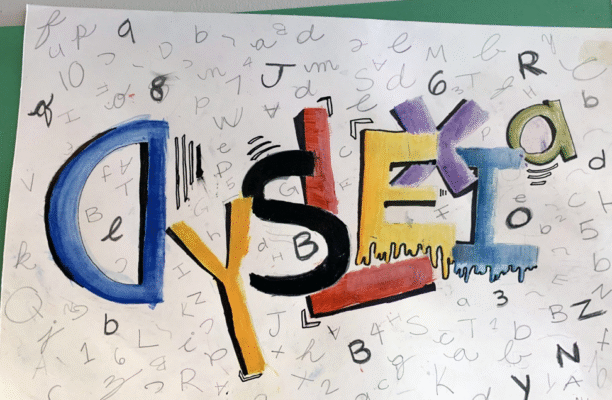
- Write letters in reverse or mirror image
- Mix up numbers when solving math problems
- Avoid homework with frequent excuses
These signs don’t confirm dyslexia on their own, but they do warrant thoughtful observation and possibly professional assessment.
A Different Kind of Gift
It may sound paradoxical but discovering that your child has dyslexia can be a hidden blessing. Many children with dyslexia possess extraordinarily creative potential. With the right support, they may grow into celebrated artists, writers, performers—or simply confident, fulfilled individuals who think differently and deeply.
This journey requires dedicated effort from parents, grandparents, and caregivers, who are often the closest allies in a child’s development. But for these children to truly shine, the education system must evolve to meet their unique needs.
Dyslexia in Children and Adults
Dyslexia doesn’t disappear with age—it can affect adults too. Through my experience working across various schools and specialized environments, I’ve seen firsthand how schools can serve as powerful partners in helping children adapt to society and thrive academically.
By tailoring education to the child’s needs, we can:
- Strengthening visual memory and processing speed
- Enhance visual-imaginative recall
- Teach semantic reading and logical sequencing
- Develop auditory memory and comprehension
These skills are not just academic, they’re life changing.
Shared Responsibility, Shared Future
The responsibility of helping children with dyslexia adapt and socialize often falls heavily on parents and speech therapists. But as educators, we must be ready—and willing—to share that load with joy and purpose.
After all, we’re not just shaping the future of these children. We’re shaping our own.
In a traditional classroom, it may be challenging to build individualized learning paths. But it’s not impossible. With care and creativity, we can design personalized support strategies that honor each child’s pace, strengths, and potential.




Leave your comment