At itutorvillage.com, we believe every student deserves personalized learning experience. One powerful way to achieve this is by recognizing and adapting to different learning styles. Whether you’re tutoring math, reading, or science, understanding how your students absorb information can transform their confidence, motivation, and academic success.
Why Learning Styles Matter
Each student processes information differently. Some thrive with visuals, others with hands-on activities or verbal discussion. By tailoring your approach, you:
- Boost engagement and retention
- Foster a supportive, inclusive environment
- Help students build self-awareness and study skills
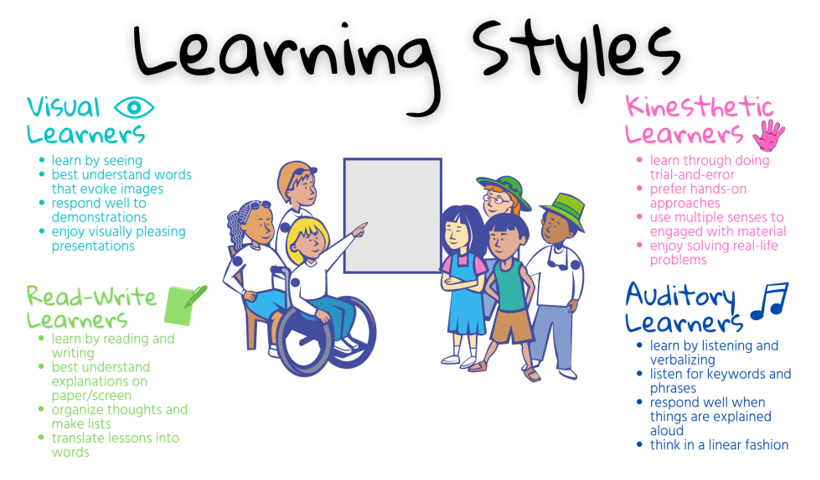
The Four Core Learning Styles
Here’s how you can recognize and support each style in your virtual sessions:
🔊 Auditory Learners
- Traits: Strong listening skills, enjoy discussions, remember spoken instructions
- Tips for Tutors:
- Use storytelling and real-life examples
- Encourage verbal explanations and group discussions
- Introducing mnemonic devices like rhymes or acronyms
Visual Learners
- Traits: Prefer diagrams, charts, and videos; strong spatial awareness
- Tips for Tutors:
- Share annotated visuals and concept maps
- Use screen-sharing tools to highlight key ideas
- Encourage students to sketch or color-code notes
Kinesthetic Learners
- Traits: Learn by doing; enjoy movement and hands-on tasks
- Tips for Tutors:
- Incorporate interactive simulations or role-play
- Use virtual manipulatives or drawing tools
- Break lessons into active segments with movement breaks
Verbal Learners
- Traits: Excel in reading, writing, and speaking; love wordplay
- Tips for Tutors:
- Assign reading aloud or writing summaries
- Use vocabulary games and structured debates
- Offer opportunities for presentations or storytelling
Identifying Student Learning Styles
Tutors can use:
- Observation: Note how students respond to different formats
- Quick Surveys: Ask about study habits and preferences
- Feedback: Encourage students to share what works best
- Learning Inventories: Use tools like VARK or Kolb’s Inventory for deeper insight
Reminder: Most students have a blend of styles. Avoid rigid labels—stay flexible and responsive.
Impact on Student Success
Studies show that students perform better when taught in their preferred style. Adapting your methods can lead to:
- Higher test scores
- Improved critical thinking
- Greater classroom participation
Strategies for Tutors on itutorvillage.com
To make your sessions more inclusive:
- Mix media: videos, infographics, and interactive tools
- Encourage peer learning through breakout rooms
- Offer self-paced projects and creative assignments
- Reflect regularly on what’s working—and adjust




Leave your comment